
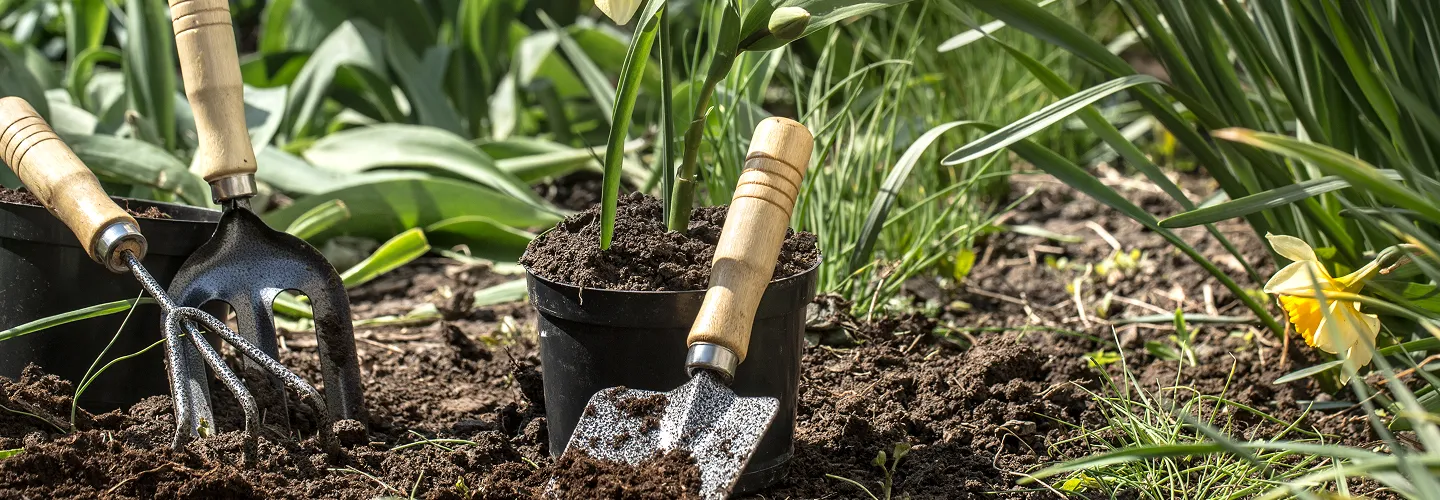
Windcrest Flower Planting Services
Choose our flower planting services for vibrant, expertly arranged blooms that enhance your curb appeal and thrive in Windcrest’s unique climate—bringing lasting beauty to your outdoor spaces.
Get a Free QuoteOur Windcrest Landscaping & Yard Care Services
When to Schedule Flower Planting in Windcrest, Texas – Seasonal Guide
In Windcrest, Texas, the best times for flower planting are typically early spring and late fall, when temperatures are moderate and rainfall is more predictable. The local climate features hot, humid summers and mild winters, so timing your planting to avoid extreme heat or unexpected cold snaps is crucial for healthy blooms. Neighborhoods near Takas Park and the Windcrest Golf Club often experience microclimates due to varying tree coverage and elevation, which can influence soil moisture and sunlight exposure.
When planning your flower beds, consider Windcrest’s average last frost date in early March and the potential for drought conditions during late summer. Soil in the area tends to be clay-heavy, requiring amendments for optimal drainage and root growth. Homeowners should also be aware of municipal watering restrictions, which can impact irrigation schedules. For more detailed local planting guidelines, consult resources like the Sudbury town website.
Local Factors to Consider for Flower Planting in Windcrest
- Tree density and shade coverage, especially in neighborhoods like Eagle Crest and Windsor Park
- Soil composition and drainage, which can vary between older and newer developments
- Annual precipitation patterns and risk of summer drought
- Municipal watering restrictions and seasonal ordinances
- Terrain variations, such as sloped yards or low-lying areas prone to pooling water
Benefits of Flower Planting in Windcrest
Enhanced Curb Appeal
Increased Property Value
Seasonal Color Variety
Expert Plant Selection
Low Maintenance Solutions
Eco-Friendly Landscaping
Windcrest Flower Planting Types

Annual Flower Beds
Seasonal color with vibrant annuals for dynamic landscape displays.
-
Perennial Gardens
Long-lasting blooms that return year after year for low-maintenance beauty.
-
Native Wildflower Plantings
Eco-friendly options that support local pollinators and require less water.
-
Shade Garden Flowers
Specialized plantings for areas with limited sunlight.
-
Container Flower Arrangements
Versatile and movable flower displays for patios and entryways.
-
Butterfly & Pollinator Gardens
Attract butterflies and bees with carefully selected flowering plants.
-
Drought-Tolerant Flower Beds
Beautiful blooms that thrive in low-water conditions.
Our Flower Planting Process
Site Evaluation
Soil Preparation
Plant Selection
Careful Planting
Watering and Mulching
Why Choose Windcrest Landscape Services
-
Windcrest Homeowners Trust Us
-
Expert Lawn Maintenance
-
Reliable Scheduling
-
Competitive Pricing
-
Professional Team
-
Satisfaction Guarantee
-
Personalized Service
Soil Series and Drainage Considerations for Flower Planting in Windcrest
Windcrest’s predominant soils, as identified by the USDA Web Soil Survey, include Houston Black clay and Lewisville silty clay loam, both of which are characterized by high clay content, moderate to poor drainage, and a pH typically ranging from 7.2 to 8.0. These conditions require careful soil preparation for successful flower planting. Recommended practices include:
- Incorporating 2-3 inches of compost to a 6-inch depth
- Conducting a soil test through Texas A&M AgriLife Extension (typical cost: $15-25)
- Applying sulfur if pH exceeds 7.5
- Ensuring planting beds are raised at least 6 inches in poorly drained areas Proper soil amendment improves root development and reduces the risk of waterlogging. For site-specific guidance, coordinate with the city’s public works department.
Windcrest TX Public Works
8601 Midcrown Dr, Windcrest, TX 78239
Phone: (210) 655-0022
Official Website: Windcrest TX Public Works
Optimal Flower Planting Windows and Climate Zone Guidance for Windcrest
Windcrest is located in USDA Hardiness Zone 9a, with average annual minimum temperatures of 20-25°F. The optimal planting windows for most annual and perennial flowers are:
- Spring: March 1 – April 15 (soil temperature 60-70°F)
- Fall: September 15 – October 31 (before first frost) Avoid planting during June-August due to high heat stress and potential water restrictions. Monitor local weather forecasts through the National Weather Service San Antonio Office for frost advisories and rainfall patterns. For best results, select heat-tolerant species and mulch beds with 2-3 inches of organic material to conserve soil moisture. Consult USDA Plant Hardiness Zone Map for additional plant selection guidance.
Windcrest Municipal Regulations: Permits, Setbacks, and Equipment Operation Hours
Flower planting projects in Windcrest must comply with city ordinances regarding property setbacks, equipment operation, and landscape modifications. Key requirements include:
- Minimum 5-foot setback from property lines for new planting beds
- Equipment operation permitted:
- Monday-Friday: 7:00 AM – 7:00 PM
- Saturday: 8:00 AM – 6:00 PM
- Sunday and holidays: Prohibited
- Permit required for landscape modifications exceeding 500 sq ft (application fee: $50; review time: 7-10 business days)
- Maintain 25-foot buffer from any designated wetland or drainage channel Permit applications and ordinance details are managed by the city’s building services department.
Windcrest TX Building Services
8601 Midcrown Dr, Windcrest, TX 78239
Phone: (210) 655-0022
Official Website: Windcrest TX Building Services
Environmental Compliance: Stormwater, Buffer Zones, and State Law in Windcrest
All flower planting activities in Windcrest must adhere to Texas Water Code and Clean Water Act requirements, including the city’s MS4 stormwater permit. Key compliance steps:
- Prohibit soil, mulch, or plant debris from entering storm drains
- Maintain a 25-foot no-disturbance buffer from wetlands and drainage ditches
- No fertilizer or pesticide application within 50 feet of water bodies
- Use only EPA-registered products for pest management Violations may result in fines or remediation orders. For further guidance, consult the state environmental agency.
Texas Commission on Environmental Quality (TCEQ)
12100 Park 35 Circle, Austin, TX 78753
Phone: (512) 239-1000
Official Website: Texas Commission on Environmental Quality
Recommended Flower Species and Planting Practices for Windcrest’s Urban Environment
Selecting appropriate species is essential for sustainable flower beds in Windcrest’s urban landscape. Recommended options include:
- Full sun: Black-eyed Susan (Rudbeckia hirta), lantana (Lantana camara), salvia (Salvia farinacea)
- Partial shade: Turk’s cap (Malvaviscus arboreus), columbine (Aquilegia canadensis)
- Deer resistant: Mexican mint marigold (Tagetes lucida), society garlic (Tulbaghia violacea)
- Native options: Winecup (Callirhoe involucrata), mealy blue sage (Salvia farinacea) Spacing should be 12-18 inches for annuals and 18-24 inches for perennials. Mulch to a depth of 2-3 inches to suppress weeds and retain moisture. For plant selection and diagnostic support, utilize Texas A&M AgriLife Extension resources.
What Neighborhoods Do We Serve Throughout Windcrest, TX?
- Windcrest Garden Homes: Features compact lots with moderate shade and clay soils, requiring raised beds and careful drainage management for successful flower planting.
- Crestwind Estates: Characterized by mature trees and established landscapes, this area often faces root competition and partial shade, influencing species selection and spacing.
- Windcrest North: Newer development with improved drainage and less soil compaction, allowing for a wider range of perennial and annual flower options.
- Eaglecrest: Proximity to drainage channels and low-lying areas necessitates strict adherence to buffer zone regulations and stormwater management practices.
- Windcrest East: Larger lots with open exposures, ideal for sun-loving species but requiring regular mulching to conserve soil moisture during summer heat.
- Fairways of Windcrest: Adjacent to golf course greenspaces, this neighborhood must coordinate with HOA guidelines and city ordinances regarding landscape modifications and setbacks.
- Windcrest Villas: Features higher-density housing and limited planting space, making container gardening and vertical planting strategies effective for flower displays.